

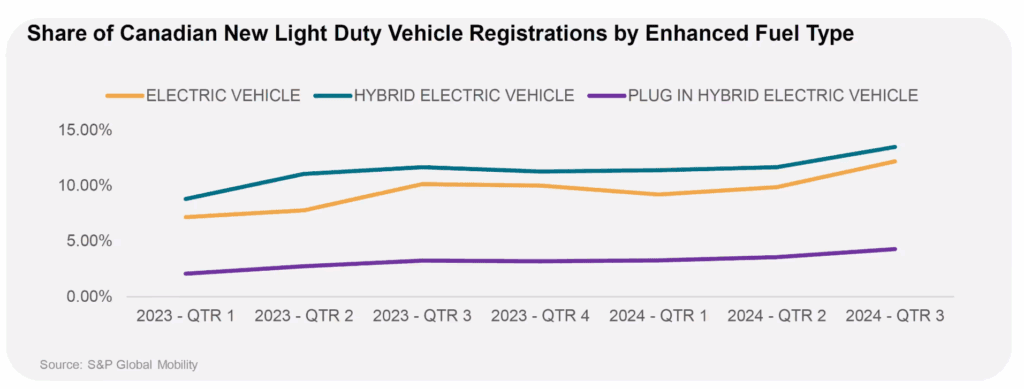
Electric vehicles (EVs) are no longer a niche market. They are rapidly becoming the vehicle of choice for many Canadians in big cities. For strata and condo councils, this shift presents both an opportunity and a challenge. As more residents make the switch to electric, the demand for accessible, reliable charging stations in multi-unit buildings is skyrocketing.
This guide is designed to help strata councils and property managers understand the essential steps for implementing EV charging solutions.
By the end of this article, you will have a clear roadmap to successfully bring EV charging to your community and meet the changing needs of your residents.
The Growth in EVs at Home
The convenience of charging an electric vehicle at home is a significant selling point for potential EV owners. Just as residents expect access to parking, they are now beginning to expect access to charging.
For strata corporations and condo boards, failing to provide this amenity can make a building less attractive to prospective buyers and tenants. Installing EV charging infrastructure is quickly becoming a key factor in maintaining and increasing property values.
Buildings that are “EV ready” are better positioned in a competitive real estate market. This is not just about accommodating current residents; it is a strategic investment in the future viability and desirability of your property. As the transition to electric mobility continues, buildings without charging solutions risk falling behind.
Should Your Condo or Strata Install EV Chargers?
Deciding whether to install EV chargers requires weighing the advantages against the potential complexities. For most strata corporations, the benefits will significantly outweigh the drawbacks, especially with new regulations and incentives designed to simplify the process.
Pros
While the pros can depend on your building type, there are some amazing benefits to installing EV chargers or allowing owners to install them in their designated stalls.
Increased Property Value
Properties equipped with EV charging stations are more appealing to a growing segment of the population, which can lead to higher property values and resale prices.
Attracting and Retaining Residents
Offering on-site charging is a powerful amenity that can attract new, forward-thinking residents and improve satisfaction among current EV owners.
Future-Proofing Your Building
The shift to electric vehicles is undeniable. Installing charging infrastructure now ensures your building remains relevant and prepared for future demands.
Access to Incentives
Federal and provincial governments offer substantial rebates and programs to offset the costs of purchasing and installing EV charging infrastructure. Programs like CleanBC’s Go Electric EV Charger Rebate and the federal Zero Emission Vehicle Infrastructure Program (ZEVIP) can make these projects much more affordable.
Cons
Upfront Costs
The initial investment for electrical upgrades and station installation can be significant, even with rebates. This often requires careful financial planning and may involve a special levy. Or, a condo loan can help fund a special EV project. Learn more about that in our recent interview.
Complex Planning
The process involves detailed electrical assessments, navigating bylaws, and managing owner expectations, which can be time-consuming for a volunteer council.
Ongoing Management
Once installed, the system requires management, including handling user fees, maintenance, and electricity costs.
Electrical Capacity Limitations
Some older buildings may have limited electrical capacity, requiring extensive and costly upgrades to support multiple chargers.
Recommended Resources: Reading and Understanding Strata Financial Statements
How to Get Owner Input and Consensus for New Additions
Successfully implementing an EV charging project hinges on clear communication and building consensus among owners. A transparent process will help secure the necessary approvals and ensure the project aligns with the community’s needs.
First, gather information and educate your community. Distribute materials explaining the benefits of EV charging, the expected costs, and the proposed plan. Host informational meetings where owners can ask questions and voice their opinions. Use surveys to gauge interest, asking how many owners currently have an EV, plan to purchase one, or would value having charging available.
Growing support is crucial. Form a committee of interested owners who can help champion the project. Their enthusiasm can be contagious and can help persuade more hesitant residents.
When it comes to voting, be aware of the regulations in your province. In BC, for example, Bill 22 has lowered the voting threshold for certain EV-related decisions from 75% to a simple 50%+1 majority. This makes it easier to approve spending from the contingency reserve fund for EV infrastructure or to approve significant changes to common property for charging installations. However, a 75% vote is still required for special levies.
Costing Out EV Contractors and Companies
The cost of installing EV charging stations can vary widely based on your building’s existing infrastructure, the number of chargers needed, and the type of system you choose. A thorough costing process is essential for accurate budgeting.
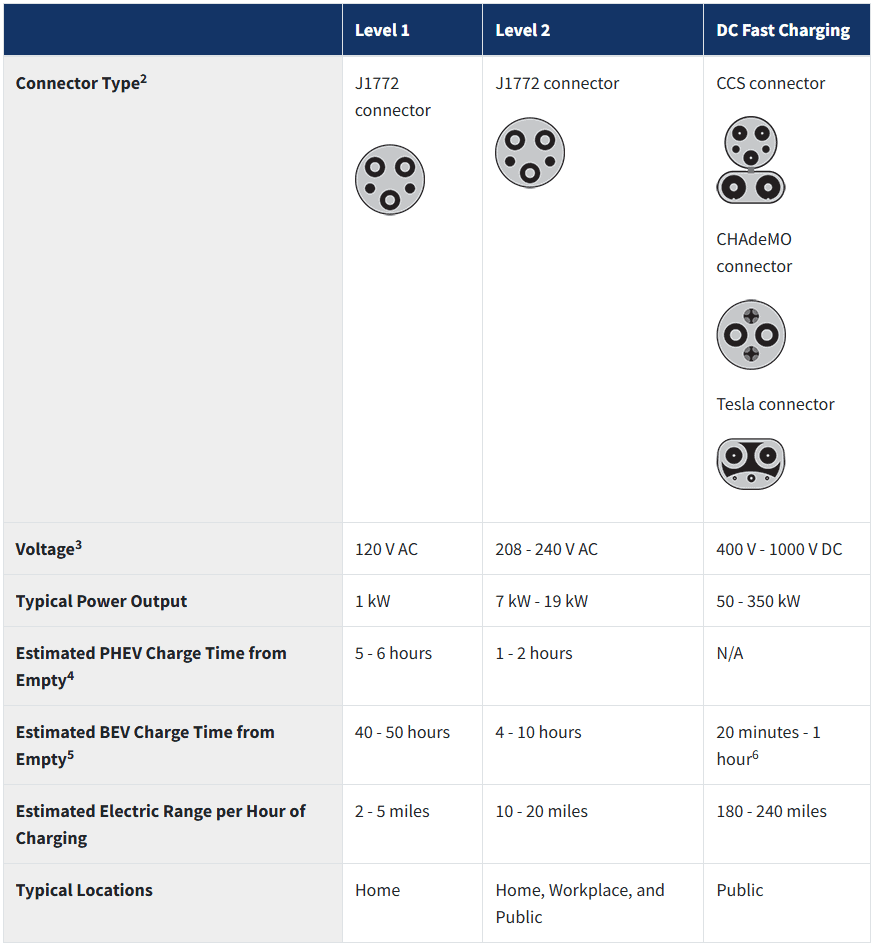
It is important to differentiate between charger types. Level 2 chargers are the standard for residential buildings, providing a full charge overnight. DC Fast Chargers (DCFCs), while much faster, are generally not practical for strata corporations due to their high cost (often exceeding $100,000 each) and significant power requirements.
Common EV Costing Scenarios
Understanding how electricity usage will be metered and billed is a critical part of the planning process. BC Hydro outlines three primary options for strata corporations:
Option 1: Use an Existing Common Account
The simplest approach is to connect the EV chargers to an existing common area electrical account. The strata corporation pays the electricity bill and can then pass on the costs to the users. To do this, the strata must have a way to measure individual usage, often through the charging station’s software.
Thanks to a temporary dispensation from Measurement Canada, stratas can bill residents based on kilowatt-hours (kWh) used.
Pros: Simpler initial setup, avoids new meters and accounts.
Cons: The strata is responsible for billing and collecting payments from users, which adds an administrative burden.
Option 2: Employ a Separate Meter for All Charging
A strata can install a new, separate BC Hydro meter just for the EV charging system. This keeps EV electricity costs separate from other common area expenses. The strata still needs to manage billing for individual users but has a clearer picture of the total cost. For stratas with no commercial operations, they may choose between a residential or general service rate.
Pros: Clear separation of EV electricity costs.
Cons: Still requires the strata to manage individual billing; involves the cost of installing a new meter.
Option 3: Install Separate Meters for Individuals
For the greatest individual accountability, residents can install their own dedicated meters for their charging stations. The resident pays BC Hydro directly for their electricity usage and may be eligible for optional time-of-day pricing, which can lower charging costs. The owner is responsible for the installation costs and must get approval from the strata.
Pros: No billing administration for the strata; residents pay for their exact usage directly to the utility.
Cons: Can be the most expensive option for residents; may be more complex to install multiple individual meters.
Beyond electricity, overall project costs include the charging stations themselves, electrical work (conduit, wiring, panel upgrades), labour, permits, and potentially an EV energy management system (EVEMS) to balance the electrical load. Operating expenses may include annual maintenance contracts, software fees, and payment processing charges.
Here are how others get charged in some other buildings in Vancouver:
How much does your strata charge monthly for EV charging?
byu/hipporox invancouver
Handling Bylaws Before Problems Arise
Before you install a single charger, it is crucial to amend your strata bylaws. Well-drafted bylaws provide a clear legal framework for the installation, use, and management of EV charging infrastructure, preventing future disputes. Bylaws do not come into effect until they are filed with the Land Title Office.
Common EV Bylaws
Your EV charging bylaws should address several key areas to ensure clarity and fairness for all residents.
Request and Approval Process
Define a formal process for how an owner can request permission to install a charging station. In BC, new regulations outline specific requirements for an owner’s request, which must include details about the proposed installation and a contractor’s estimate. The strata council must respond within 3 months and cannot unreasonably refuse a request.
Cost and Responsibility
Clearly state who is responsible for all associated costs. Typically, if an owner requests a personal station, they are responsible for the installation, maintenance, and electricity costs. The bylaw should specify whether the owner pays contractors directly or reimburses the strata.
Ownership and Property Designation
Determine what happens to the charging station and the parking stall. Does the station become the owner’s property, or does it become common property? The strata can grant an owner exclusive use of a common property parking stall for up to 5 years if it has been equipped with charging at their request. This agreement should be documented.
User Agreements and Rules
Establish rules for using the chargers. This can include who is an authorized user, rules for shared stations (if any), and what happens if an unauthorized vehicle parks in a charging spot. Consider requiring all users to sign an agreement that outlines their responsibilities.
Other Bylaws to Consider
Beyond the specifics of charging, other general bylaws may need review. For example, your bylaws concerning alterations to common property will be central to any EV charging installation. Ensure they align with new provincial regulations that may lower voting thresholds for such projects.
Additionally, consider liability and insurance. Your bylaws should require that any installation is performed by a qualified and insured contractor and may require the owner to indemnify the strata corporation against any damages.
Recommended Resources: Condo & HOA Bylaw Enforcement & Compliance
Provincial Considerations
While the trend toward EVs is national, the rules governing their installation in multi-unit buildings are provincial.
In British Columbia, the government has been particularly proactive. Effective December 6, 2023, changes to the Strata Property Act have made it easier for stratas to approve and install EV charging. As mentioned, voting thresholds for many related decisions have been lowered to a simple majority.
Furthermore, most stratas in BC with 5 or more units are now required to obtain an Electrical Planning Report (EPR). This report assesses the building’s current electrical capacity and forecasts future needs, including EV charging.
The deadlines for obtaining an EPR are phased: late 2026 for stratas in Metro Vancouver, the Fraser Valley, and the Capital Regional District, and late 2028 for other areas of the province. This report is a critical first step in planning for any significant electrical upgrades.
Other provinces are also developing frameworks, so it is essential to consult your specific provincial condominium legislation.
Recommended Resource: How to Establish Compliance and Governance for Condos
Vendor Selection
Choosing the right partners is critical to the success of your EV charging project. You will likely need to work with several vendors, including electrical contractors and charging network providers.
When selecting an electrical contractor, look for one with specific experience in EV charging installations in multi-unit residential buildings. They should be able to help you develop an EV Ready Plan and provide a detailed quote. Ask for references and examples of similar projects they have completed. For the charging stations and management software, you will have many options. Some key considerations include:
Networked vs. Non-Networked Stations
Networked stations connect to the internet, allowing for features like remote monitoring, access control, and automated billing. Non-networked stations are simpler and cheaper upfront but offer no remote management capabilities.
Software and Billing
If you choose networked stations, evaluate the provider’s software. Is it user-friendly for both residents and administrators? How does it handle billing and payments? What are the associated fees?
Maintenance and Support
What level of support does the vendor offer? Is there a warranty on the hardware? Do they offer maintenance packages?
Recommended Resource: [Guide] Condo Vendor Management for Condo Boards
How Eli Report Can Help
Navigating the complexities of strata documents, including bylaws and meeting minutes, can be a daunting task for any council member or property manager. Eli Report simplifies this process by using AI to scan and analyze and review strata documents in minutes.
When planning for an EV charging project, Eli Report can help you quickly find all mentions of parking, electrical systems, and relevant bylaws within your existing documents. This can save you hours of manual review and help you identify potential roadblocks or existing provisions that need to be updated.
It is an invaluable tool for conducting the initial due diligence required for a project of this scale.
Final Thoughts
Integrating EV charging stations into your condo or strata building is no longer a question of “if,” but “when and how.” By taking a proactive and planned approach, your council can navigate the process smoothly, transforming your property into a modern, desirable place to live.
From understanding the financial implications and securing owner buy-in to drafting robust bylaws and selecting the right vendors, every step is crucial. The resources and regulations, particularly in provinces like British Columbia, are evolving to support this transition. By leveraging these supports and planning carefully, you can deliver a valuable amenity that will benefit your community for years to come.