
The rise of short term rentals in Canada, such as Airbnb and Vrbo, has transformed how condo councils across Canada operate. The exciting thing is that this trend presents both an exciting opportunity and challenges.
The prospect of allowing short-term rentals can bring financial benefits to owners, but it also raises important questions about security, community well-being, and legal compliance.
This guide is designed to provide strata and condo councils with the information needed to make an informed choice. We will explore the definition of a short-term rental, review the various provincial regulations across Canada, and analyze the pros and cons of permitting these rentals within your building. As well as how to implement building-friendly policies to support short-term rentals. Let’s dive in.
What is Considered a Short-Term Rental in Canada?
In Canada, a short-term rental generally refers to the renting of a furnished living space, such as a house, apartment, or condo unit, on a temporary basis. While the exact definition can vary slightly between provinces and municipalities, it typically describes occupancies that are less than 30 consecutive days. This distinguishes them from long-term tenancies, which are governed by residential tenancy laws and involve leases of a month or longer.
It’s important to pay attention to this trend as they are a major part of the housing market across Canada, per Government of Canada data.
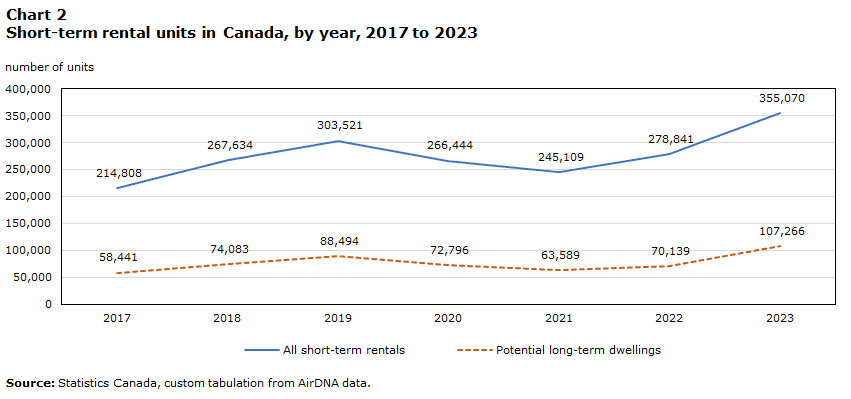
These rentals are primarily facilitated through online platforms like Airbnb, Vrbo, Booking.com, and FlipKey, which connect property owners with travellers seeking accommodation. The properties can range from a single room within a host’s home to an entire condominium unit or house.
A key element of the short-term rental model is its commercial nature. Owners are not just sharing their space; they are operating a small-scale hospitality business.
This commercial activity is what brings these rentals under the scrutiny of various levels of government, as well as condo and strata corporations.
What This Means for Councils
For councils, it is essential to establish a clear definition within your governing documents to ensure any related bylaws can be applied consistently and effectively. Without a specific definition, enforcing rules related to noise, security, and use of common areas can become difficult.
Provincial Legislations for Short-Term Rentals
Regulation of short-term rentals in Canada is a complex patchwork of rules that involves provincial, municipal, and regional governments.
While some provinces have enacted overarching legislation, much of the detailed regulation happens at the local level. It is crucial for condo and strata councils to be aware of both provincial frameworks and municipal bylaws.
British Columbia
In British Columbia, the provincial government passed the Short-Term Rental Accommodations Act to address the housing crisis. Effective May 1, 2024, the “Principal Residence Requirement” mandates that short-term rentals can only be offered in the host’s principal residence, plus one additional secondary suite or accessory dwelling unit on the same property.
This rule applies to most municipalities with a population over 10,000. Strata hotels and motels that were operating in a manner similar to a hotel before December 8, 2023, may be exempt. The province is also establishing a provincial registry for short-term rental hosts and requires platforms to share data with local governments to improve compliance.
Alberta
Alberta has not implemented province-wide legislation specifically for short-term rentals, leaving regulation largely to individual municipalities. Major cities like Calgary and Edmonton have established their own licensing and zoning requirements.
For example, hosts in Calgary need a business license and must adhere to rules depending on whether they are renting a room or an entire home. Given the lack of provincial oversight, strata and condo boards in Alberta have significant authority to regulate or ban short-term rentals through their bylaws.
Ontario
Similar to Alberta, Ontario has delegated the primary responsibility of regulating short-term rentals to its municipalities. Toronto has one of the most comprehensive regulatory frameworks, requiring hosts to register their property and only permitting rentals in their principal residence. Other cities, like Ottawa and Mississauga, have also introduced their own sets of rules, including licensing and zoning restrictions. The Condominium Act in Ontario allows condo corporations to amend their declarations and bylaws to control or prohibit short-term occupancies.
Quebec
Quebec has taken a more centralized approach. The provincial government requires anyone renting out accommodation for 31 days or less to obtain a registration number from the Corporation de l’industrie touristique du Québec (CITQ) and display it in their listing.
This law applies to all types of short-term rentals, including those in a principal residence. Revenue Québec also requires hosts to collect and remit a lodging tax. This provincial framework provides a clear structure that condo syndicates can build upon with their own internal rules.
Recommended Resource: Engaging Condo Owners in Decision-Making & Meetings
Should Your Condo or Strata Allow It?
Deciding whether to permit short-term rentals is a critical decision for any condo or strata council. The choice involves balancing the potential for owners to earn extra income against the need to maintain a safe, secure, and harmonious community. Here is a detailed look at the advantages and the key considerations to weigh.
Pros
There are many pros when it comes to allowing short-term rentals and Airbnb for condo and unit owners.
Additional Income for Owners
The most significant benefit of allowing short-term rentals is the opportunity for owners to generate supplementary income. This can help them cover their mortgage payments, strata fees, and other property-related expenses.
For some, it can make homeownership more affordable, especially in expensive urban markets. This financial flexibility can be a major draw for potential buyers, potentially increasing the property value and marketability of units within the corporation.
Increased Property Value and Appeal
Properties located in desirable tourist areas or business districts can become more attractive to a wider range of buyers if short-term rentals are permitted. Investors and individuals looking for a property that offers income-generating potential may specifically seek out buildings with flexible rental policies. This demand can lead to higher property values and faster sales, benefiting all owners in the corporation.
Flexibility for Owners
Allowing short-term rentals provides owners with flexibility. They can rent out their units while they are away on vacation, on a business trip, or during seasonal vacancies. This allows them to make productive use of an otherwise empty space without committing to a long-term tenant. This flexibility is a valuable asset, giving owners more control over their property.
Considerations
While there are many pros for owners, there are some considerations that need to be taken into account before things are opened up for short-term rentals.
Safety and Security Concerns
One of the primary concerns for strata councils is the impact of transient occupants on building security. A constant flow of strangers can make it difficult to monitor who has access to the property, increasing the risk of security breaches, theft, and unauthorized access to common areas like gyms, pools, and storage lockers. Managing key fobs and access codes becomes more complex, and there is a greater chance of security protocols being compromised.
Increased Wear and Tear on Common Elements
Short-term guests are generally less invested in the long-term care of the property than permanent residents. This can lead to accelerated wear and tear on common elements such as hallways, elevators, lobbies, and recreational facilities. The frequent movement of luggage and people can cause damage to walls, flooring, and furnishings, resulting in higher maintenance and repair costs for the entire corporation.
Noise and Nuisance Complaints
Transient guests, often on vacation, may not be mindful of the community’s rules regarding noise and acceptable behaviour. This can lead to an increase in noise complaints, parties, and disturbances, disrupting the peace and quiet that permanent residents expect. Managing these complaints can place a significant administrative burden on the strata council and property management.
Insurance and Liability Issues
The commercial activity of short-term rentals can have serious implications for the corporation’s insurance coverage. Many standard strata insurance policies do not cover liabilities arising from commercial operations.
If an incident involving a short-term guest occurs, the corporation could face a denied claim or even the cancellation of its policy. Individual owners may also find their personal insurance is void if they do not have the appropriate commercial coverage for their rental activities.
Administrative Burden
Managing short-term rentals creates a substantial administrative workload for the strata council and property manager. This includes enforcing bylaws, handling complaints, overseeing security access, and ensuring compliance with municipal and provincial regulations. There may also be additional condo vendor management involved with this, too. This extra work often requires additional resources and can divert the council’s focus from other important community matters.
Recommended Resource: Handling Disputes & the Role of the Civil Resolution Tribunal (CRT)
Bylaws to Consider
If your strata corporation decides to permit short-term rentals, it is crucial to establish a robust set of bylaws to manage the activity and mitigate potential risks. These bylaws should be clear, comprehensive, and legally enforceable.
Requiring Owner and Occupant Information
Implement a bylaw that requires owners to provide the strata with detailed information for each short-term rental period. This should include the names and contact information of all guests, their check-in and check-out dates, and the license plate numbers of their vehicles. This creates a record of who is in the building at all times and ensures accountability.
Example Bylaw for Short-Term Rentals
- Owners must provide the strata corporation with the following information for each short-term rental period within 24 hours of guest check-in:
- Names and contact details of all guests.
- Check-in and check-out dates.
- Vehicle license plate numbers (if applicable).
Failure to comply with this bylaw may result in fines or suspension of short-term rental privileges.
Imposing Fines and Penalties
Your bylaws should clearly outline the fines and penalties for any violations of the short-term rental rules. This could include fines for excessive noise, damage to common property, or failure to register guests. The ability to levy fines is a powerful tool for encouraging compliance. You may also consider a bylaw that allows the corporation to recover any costs incurred due to a guest’s misconduct, such as repair costs or extra cleaning fees.
Example Bylaw for Short-Term Rentals
- Excessive Noise: Any noise generated by short-term rental guests that disrupts the quiet enjoyment of other residents between the hours of 10 PM and 7 AM may result in a fine of up to $200 per incident.
- Property Damage: The owner shall be responsible for covering all repair and replacement costs resulting from damage caused by short-term rental guests.
- Guest Registration: All short-term rental guests must be registered with the corporation prior to their stay. Failure to comply may result in a fine of $100 per occurrence.
Establishing a Security Deposit
A bylaw could require owners to collect a security deposit from their guests, a portion of which could be held by the strata corporation. This deposit could be used to cover the costs of any damage to common property or to pay any fines levied against the owner for bylaw infractions committed by their guests.
Example Bylaw for Security Deposit
- All owners offering short-term rentals must collect a security deposit of $500 from each guest prior to occupancy.
- A portion of this deposit, up to $250, will be held by the strata corporation as security against damages to common property or fines incurred due to bylaw violations.
- Any unused portion of the deposit will be refunded to the guest within 10 business days of their departure, subject to the strata corporation’s inspection and approval.
Recommended Resource: Claims Management and Risk Mitigation Strategies for Councils
Getting Owner Buy In
Getting buy-in from owners is always important for any major condo council decision. If you need help getting answers and participation from owners, check out this resource we put together.
Final Thoughts
The decision of whether to allow short-or-not-allow short-term rentals in your condo or strata corporation is a complex one, with valid arguments on both sides. There is no one-size-fits-all answer, and the right choice will depend on your community’s specific characteristics, priorities, and legal jurisdiction.
By thoroughly understanding the provincial and municipal regulations, carefully weighing the pros and cons, and drafting comprehensive bylaws, your council can make a strategic decision that serves the best interests of all owners.
Whether you choose to prohibit, restrict, or permit short-term rentals, a clear and well-enforced policy is the key to maintaining a thriving and harmonious community. Proactive governance and open communication with owners will ensure that your corporation is well-prepared to navigate this evolving landscape.
And if you need help with Condo Document Review, Eli Report is here to help.